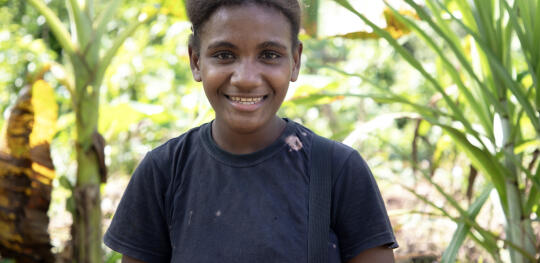
When Tropical Cyclone Maila struck the Pacific, children and families in Solomon Islands faced damaged homes, schools and food gardens. But thanks to your support, Save the Children was ready to respond.
When Tropical Cyclone Maila tore through the Pacific, In April 2026, it turned tens of thousands of lives upside down.
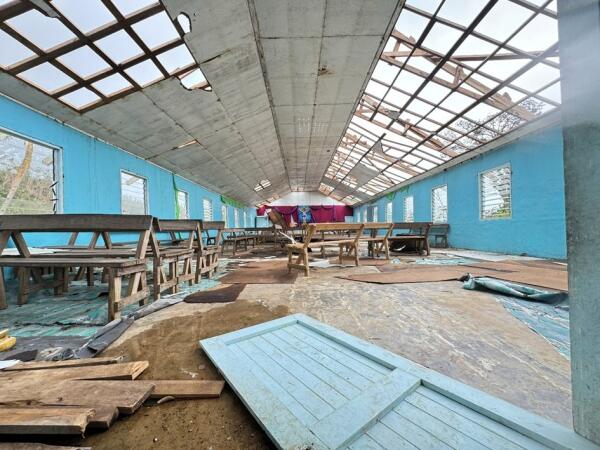
In Solomon Islands alone, around 120,000 people were caught in its path. Gardens were flattened, water supplies were fouled, and 79 schools were damaged, 16 of them badly.
For children and families already living with the challenges of poverty and climate change, the cyclone brought another devastating blow.
But because of supporters like you, our teams were able to swing into action almost immediately.
There when children needed us most
Working alongside local authorities and humanitarian teams, they have already reached almost 13,000 people across 89 communities in Western and Choiseul provinces, with food, shelter, and safe spaces for children.
Child Friendly Spaces gave young ones somewhere to play and feel normal again, while their parents began to rebuild.
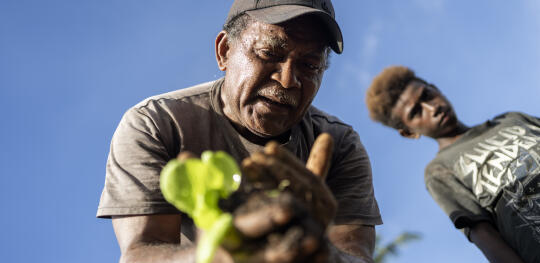
A longer recovery project is now helping families get their food gardens and fishing going again and get children back into learning in temporary classrooms.
For children, returning to familiar routines can be an important part of recovering after a disaster. Safe spaces give children somewhere to play and connect with others, while support for education helps them get back to learning.
Ready before disaster strikes
The response to Tropical Cyclone Maila is one example of why being prepared matters.
Save the Children works with communities before, during and after disasters, helping children and families prepare for emergencies, providing urgent assistance when disaster strikes, and supporting longer-term recovery.
In Solomon Islands, this work is particularly important. The country is highly vulnerable to climate-related hazards, including cyclones, flooding, drought and rising sea levels. Save the Children is also working with communities on climate adaptation and resilience, including climate-smart farming, disaster preparedness and strengthening food security.
That means support can reach children not only in the immediate aftermath of a disaster, but as families begin the much longer process of rebuilding their lives.
Your generosity makes this possible
When a cyclone strikes, there is no time to start from scratch.
Children need food, safe spaces, clean water and protection. Families need shelter and support to rebuild. Communities need help getting children back to school and restoring the livelihoods they depend on.
Your support means Save the Children can be there when children need us most.
This is what your generosity makes possible.